Here’s a quick farming post to explain the origins of the bales that we use for Party Bales Warwickshire’s straw bale seating hire.
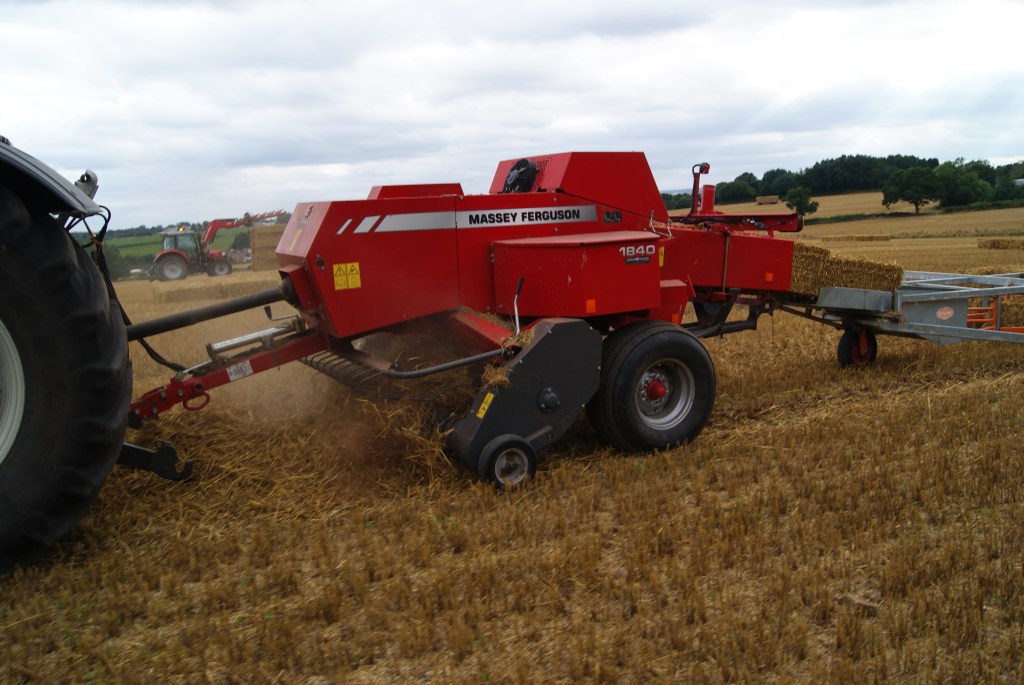
Summer 2021 was the 101st harvest on our farm. I can’t imagine what they might have said if we’d told them 100 years ago that we are now baling straw for people’s bottoms, but I guess a lot of things have changed in the last 100 years!
What hasn’t changed very much is the way in which we produce the straw. Yes – the process has become mechanised and farm machinery has become much bigger and more efficient over the last century – but, the general principles behind harvesting and the way in which straw is produced has not changed a great deal.
When one year finishes, another quickly begins…
It all starts during autumn (or spring..), when the ground is nice and dry and the previous years’ crop has been removed from the field. The seed (barley or wheat, in our case) is sown a few inches down into freshly cultivated soil.
On our farm, this is often done in a single pass, with the seed drill and cultivator trailed as a single implement behind a tractor. In contrast to more traditional methods of individually ploughing, then cultivating, then seed drilling, this ‘one-pass method’ helps to preserve soil structure, reduce fuel consumption and is good for soil health.
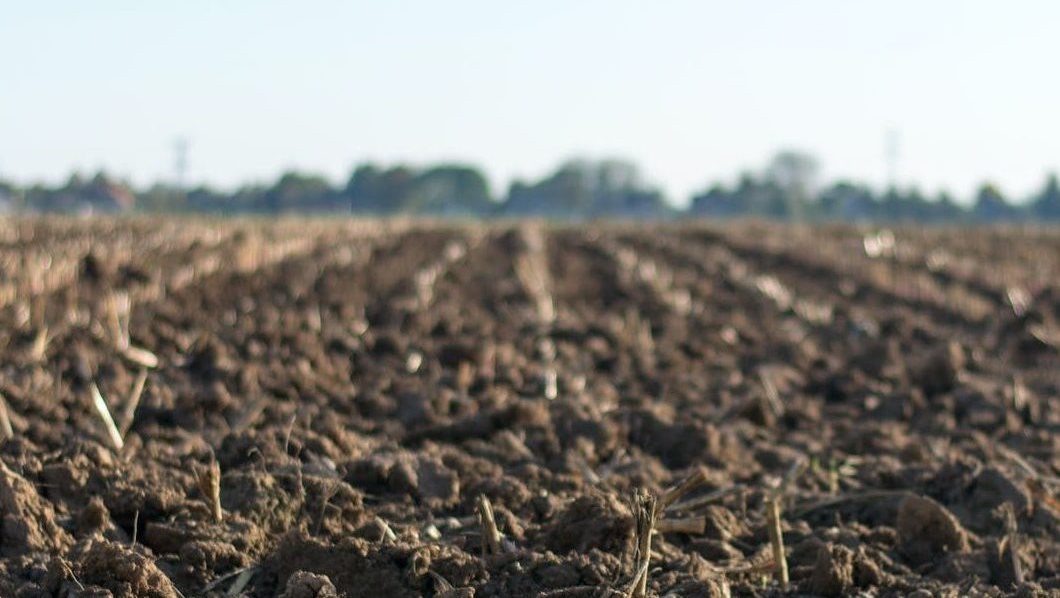
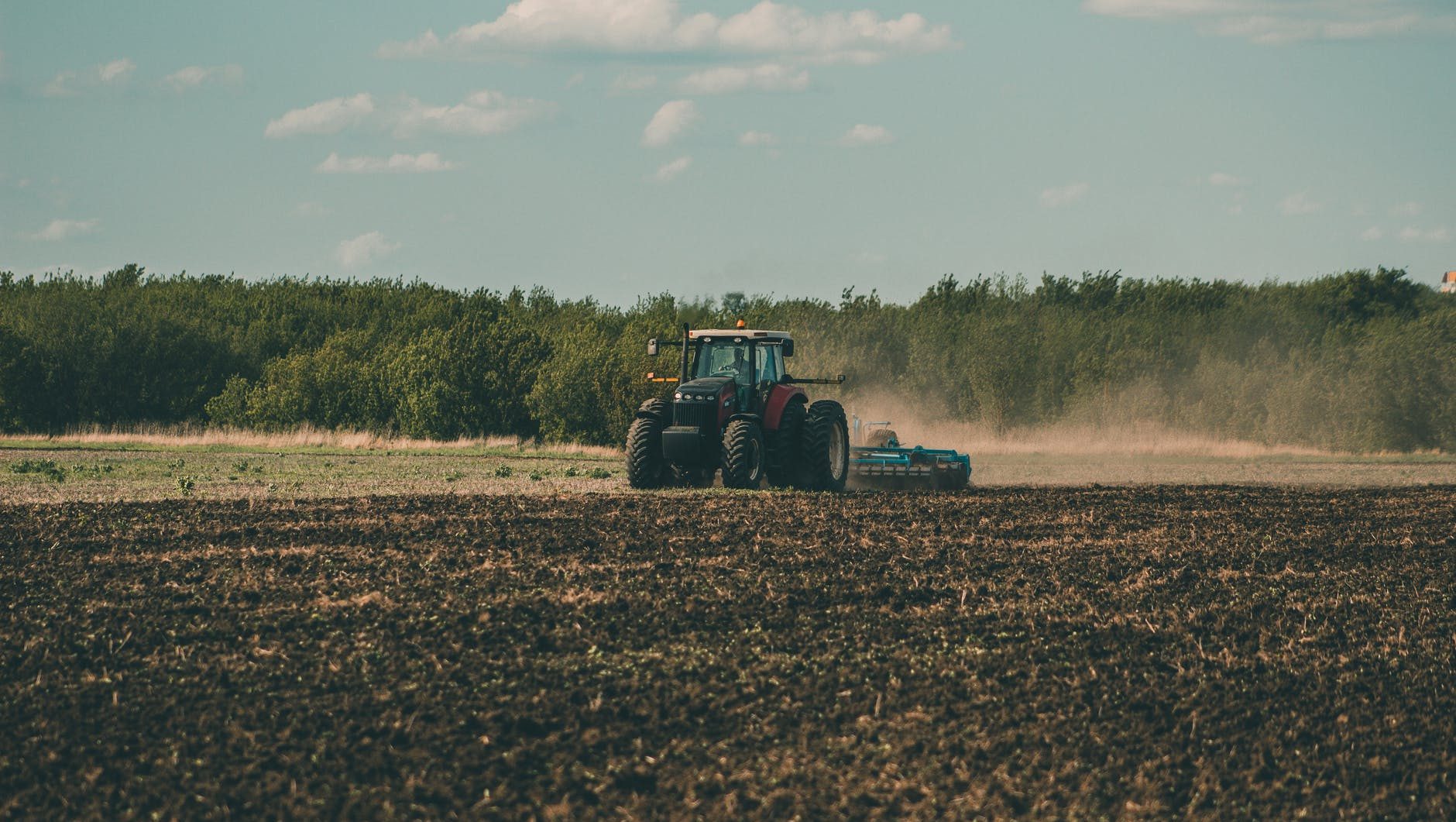
Fast-forward past the rain, snow, frost, (not forgetting a well-timed dose of fertiliser, perhaps some good old fashioned organic manure, and a bit of sunshine along the way) and by summer the crop has (hopefully) grown ready for harvest and hasn’t been flattened by the wind and heavy rain, or snacked on by pigeons and pests.
Harvest.

Summer is the busiest time in the arable farming calendar, when farmers are checking their weather apps for the next spell of warm, dry weather so that they can get out into the field to harvest crops.
The wheat and barley crops are harvested using a combine harvester. The wide part at the front of the combine cuts the crop at the base of the plant just a few inches above the ground. It threshes the crop extracting the grain from the head to store in its tank.
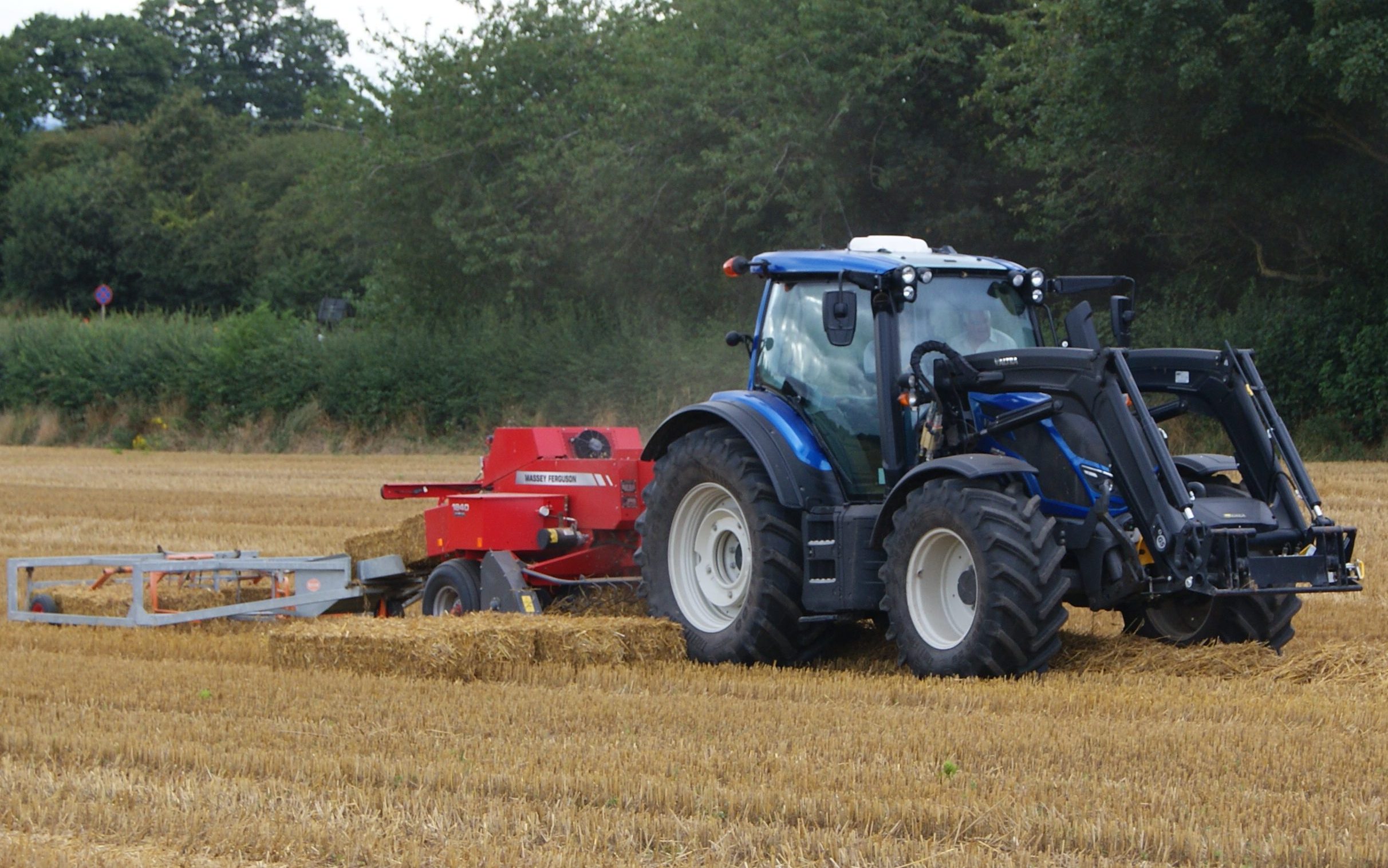
The straw, (which is the stalk of the plant and the empty heads) is then pushed out of the back of the combine forming a swath (or row) for the baler to gather, shape, compress and tie with very strong strings.

Size matters
Depending on the baler and the intended purpose, bales can be round (cylindrical), rectangular, small or large.
Our hire bales are what are known as ‘conventional’ or small square bales of straw. Weighing around 20kg, they’re lighter and easier to arrange than their larger counterparts (which can weight up to half a tonne!!)). They also make a great height two-seater.
Not all straw is for parties
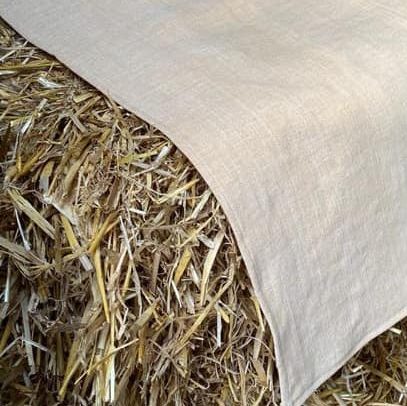
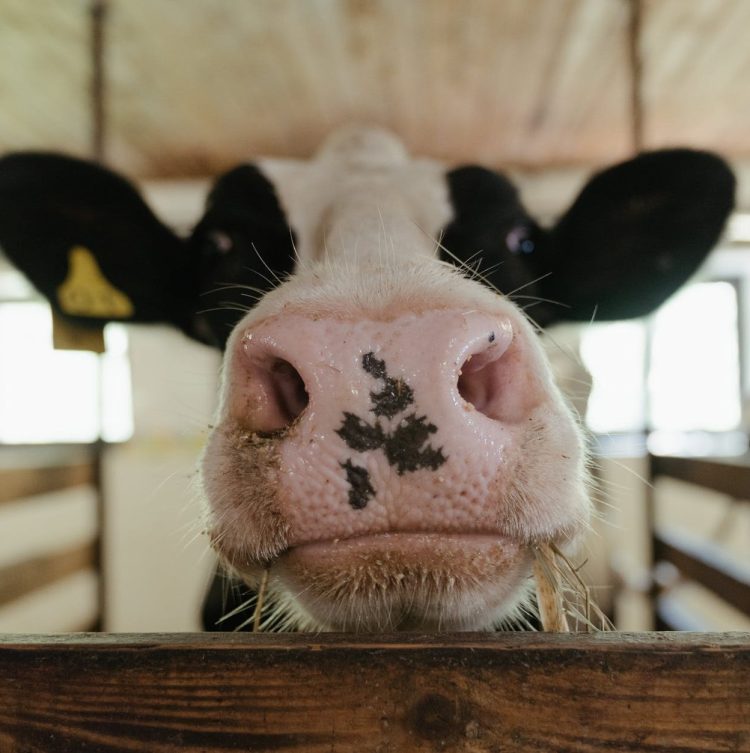
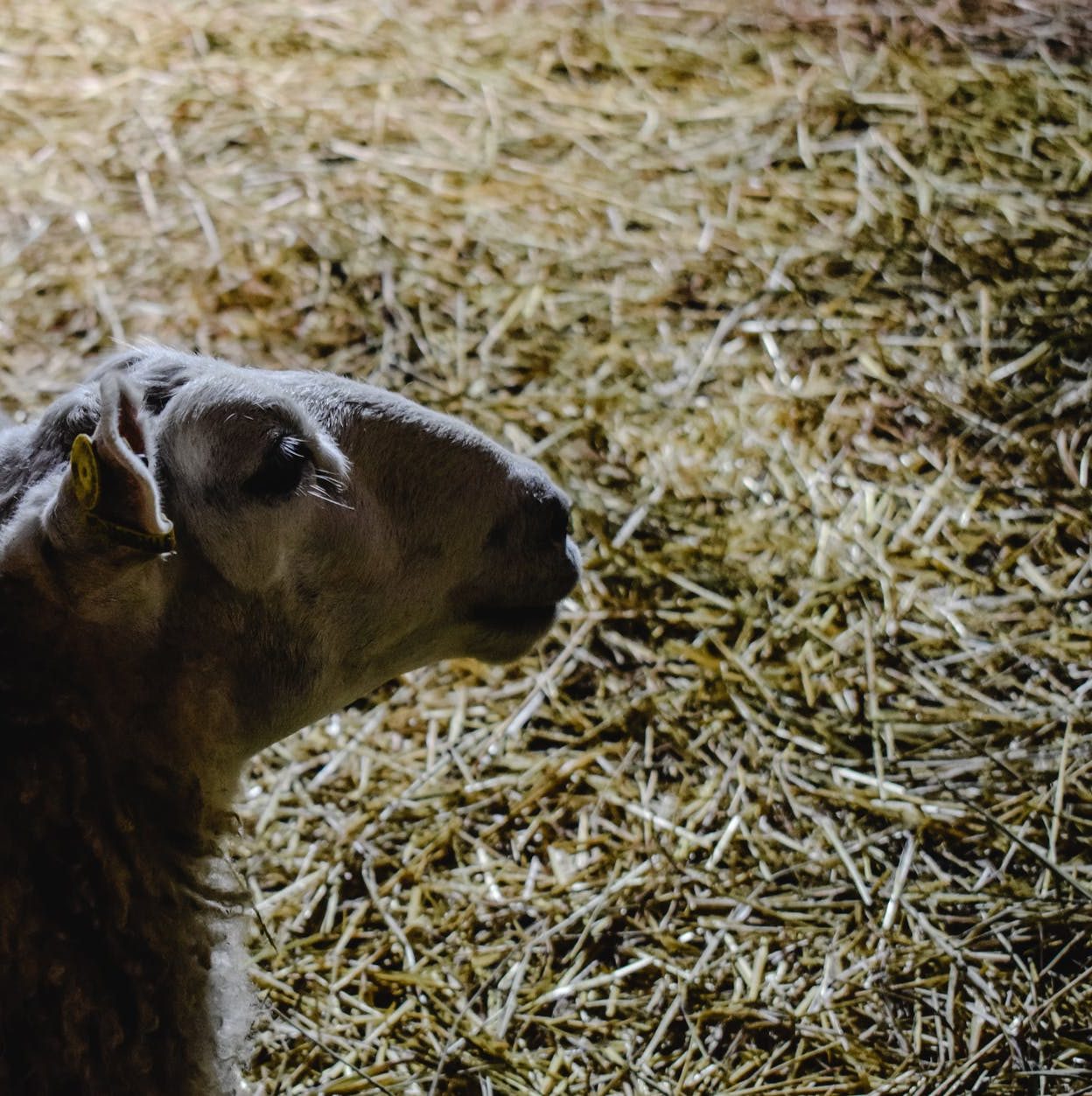
Straw has many uses. In some parts of the UK it is used as a biomass product for generating renewable energy; for construction and insulation; and even in biological water filtration (algae removal). However, like the majority of straw used in this country, any of our bales that don’t get to live the party lifestyle are transported to other farms and used for livestock feed and comfy, eco-friendly bedding .

 Party Bales Warwickshire